
 01782 983376
 info@rmwalshltd.co.uk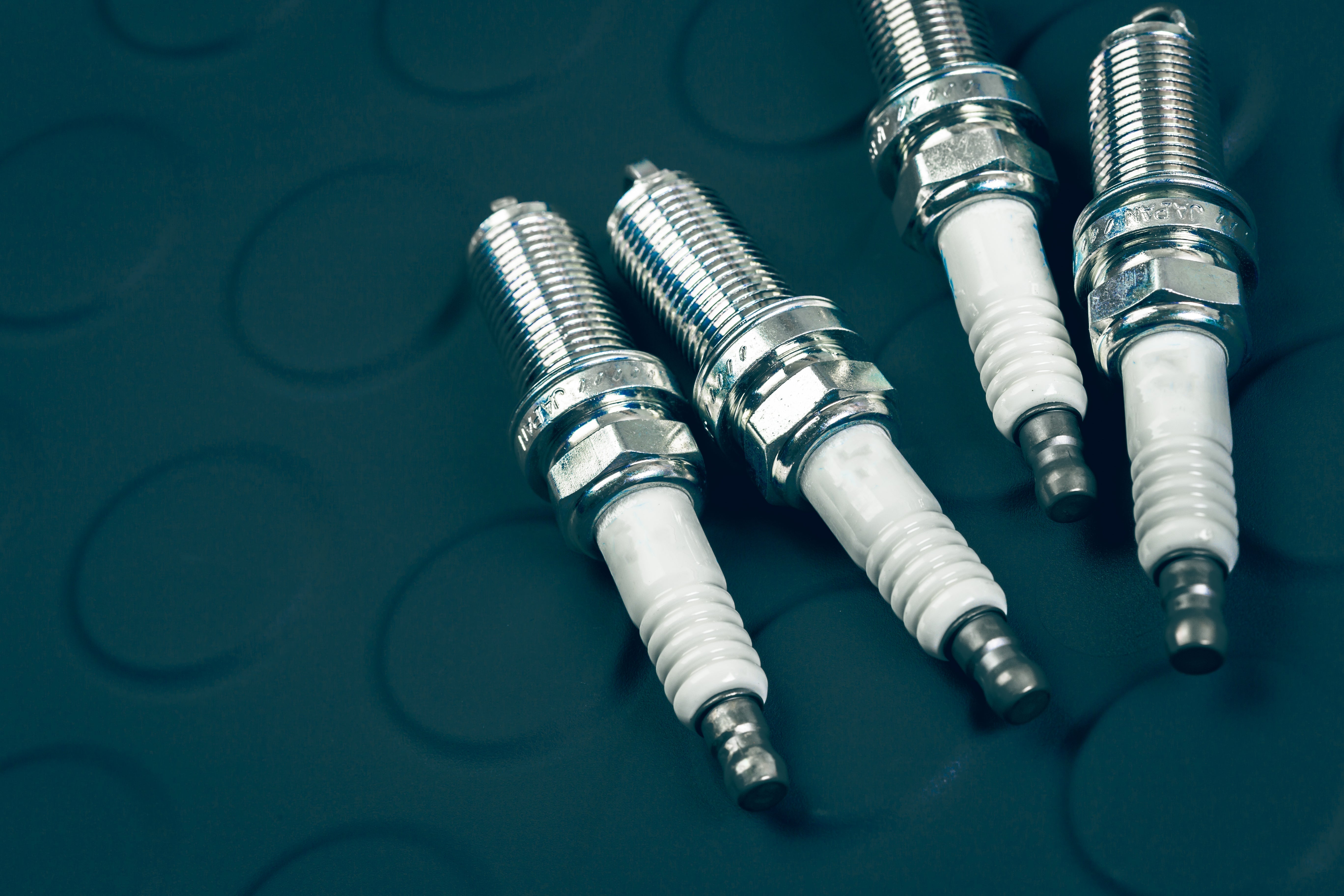
Gas engines in CHP and industrial applications don’t usually flake out overnight. What operators see instead is a gradual change in how the engine starts, responds, and settles under load. These shifts are often subtle, but over time they influence efficiency, controllability, and maintenance decisions. One of the most common contributors to this kind of long-term change is ignition behaviour that slowly moves away from its original operating condition, known as ‘performance drift’.
Below is a practical five-step approach we use to help operators stop the drift, keeping ignition performance aligned with how their engines are actually running.
Step 1: Capture an ignition baseline when conditions are known
The most useful reference point for ignition performance is when the engine is known to be in good condition; typically at commissioning, after a major service, or following a full ignition refresh. At this point, engine start behaviour, stability under load, and general running characteristics represent a performance ‘baseline’. Establishing this baseline doesn’t require specialist instrumentation. It can be as simple as recording how consistently the engine starts, how smoothly it accepts load, and how stable operating parameters remain under normal conditions. Without this reference, it becomes much harder to recognise when ignition-related changes are influencing performance later on.
Step 2: Monitor behaviour changes as well as faults
Ignition-related performance drift usually shows up as subtle behavioural changes rather than clear faults – at least at first. For example, the engine may become slightly less responsive, show more variation during load changes, or require more frequent adjustments to maintain stable operation. These changes are easy to dismiss as normal variation, particularly on sites with variable load demand. However, when viewed against a known baseline, they sometimes indicate that ignition characteristics are ‘drifting’. Catching this early allows adjustments to be made before issues start to influence availability.
Step 3: Understand how spark plug wear alters engine response
Spark plug wear doesn’t just reduce service life; it can also change how the engine responds to control inputs. As electrodes wear, ignition demand increases gradually, which can alter your timing margins and how the engine control system behaves under load. This is especially relevant where industrial spark plugs construction and electrode materials vary, as different designs may respond differently to sustained load, temperature, and service intervals. Engines may continue to run acceptably, but with reduced consistency between cylinders or increased sensitivity to operating changes. Recognising this shift helps you avoid mistaking ignition-driven effects for unrelated tuning or fuel issues.
Step 4: Align your CHP plant maintenance schedule with data-based operating trends
Fixed service intervals are a useful starting point for engine maintenance, but they don’t always reflect how your engine is actually being used on site. Rather than ‘time since the last service’, it is load patterns, run hours, and fuel behaviour that influence how quickly ignition components move away from their baseline condition.
As part of effective CHP plant maintenance, your ignition reviews should be tied to data-informed operating behaviours rather than hours alone. If the engine behaviour starts to deviate sooner than
expected, your ignition components may need attention earlier, too. Conversely, stable operation may justify maintaining or even extending your current service intervals.
Step 5: Review your ignition choices in the context of fuel changes
Fuel quality rarely stays constant over time. Seasonal variation, blending, or even supplier changes can all affect how readily the air–fuel mixture ignites. These shifts don’t always cause immediate problems, but they do change the margin the ignition system operates within. Effective gas-powered engines maintenance accounts for these transitions rather than assuming a fixed fuel profile. Reviewing your ignition component selection when fuel conditions change helps maintain stable engine behaviour and avoids narrowing the window between acceptable operation and instability.
What next?
If you’d like to find out more about how industrial spark plugs influence ignition performance and how to prevent ignition-driven performance drift in your applications, please give one of our specialists a call on 01782 983592, or send a message by clicking here.
If your CHP engine feels less predictable over time, ignition behaviour is worth a closer look. We’ve written a step-by-step guide on managing ignition-related performance drift as part of effective gas-powered engines maintenance. Click here to find out more.

topics
